
History and Legal Basis of the Reserve Officers’ Training Corps (ROTC)
The Reserve Officers’ Training Corps (ROTC) is one of the oldest military training programs in the Philippines. It was established to develop a pool of trained reserve officers who can be called upon to defend the country during times of war, national emergencies, and disasters. Over the years, the legal framework governing ROTC has evolved from compulsory military training to its current status as an optional component of the National Service Training Program (NSTP).
Constitutional Basis
The primary constitutional basis for ROTC is found in the 1987 Philippine Constitution:
Article II, Section 4
“The prime duty of the Government is to serve and protect the people. The Government may call upon the people to defend the State and, in the fulfillment thereof, all citizens may be required, under conditions provided by law, to render personal, military or civil service.”
This provision authorizes Congress to enact laws requiring citizens to render military or civil service in defense of the nation.
Historical Development
1. Commonwealth Act No. 1 (National Defense Act of 1935)
The foundation of ROTC began with the enactment of Commonwealth Act No. 1, also known as the National Defense Act of 1935, signed by President Manuel L. Quezon.
Its objectives included:
- Organizing the Armed Forces of the Philippines (AFP)
- Establishing a citizen reserve force
- Providing military instruction in educational institutions
This law recognized that the country’s defense would rely not only on regular soldiers but also on trained civilian reservists.
2. Executive Order No. 207 (1939)
President Manuel L. Quezon issued Executive Order No. 207 (1939) requiring colleges and universities to establish ROTC units as a condition for government recognition.
This marked the formal institutionalization of ROTC in higher education.
3. Executive Order No. 59 (1967)
President Ferdinand E. Marcos strengthened ROTC through Executive Order No. 59, requiring colleges and universities with at least 250 male students to establish ROTC units.
During this period:
- ROTC became mandatory for qualified male college students.
- The objective was to expand the country’s reserve military force during the Cold War era.
4. Presidential Decree No. 1706 (1980)
President Marcos issued Presidential Decree No. 1706, known as the National Service Law.
The decree required national service for Filipino citizens through three components:
- Military Service
- Civil Welfare Service
- Law Enforcement Service
ROTC became the primary avenue for fulfilling the military service component and was effectively compulsory for eligible college students.
5. Republic Act No. 7077 (1991)
The Citizen Armed Forces of the Philippines Reservist Act (RA 7077) reorganized the reserve force of the AFP.
Key objectives included:
- Development of the Citizen Armed Force
- Organization and maintenance of reserve units
- Utilization of reservists during:
- War
- National emergencies
- Disaster response
- Civil defense
- Humanitarian assistance
ROTC became one of the principal sources of reserve officers for the AFP.
6. Republic Act No. 9163 (NSTP Act of 2001)
A major reform occurred following public concern over abuses in the mandatory ROTC program. Congress enacted Republic Act No. 9163, or the National Service Training Program (NSTP) Act of 2001, approved on January 23, 2002.
This law:
- Made ROTC optional instead of mandatory.
- Established the National Service Training Program (NSTP).
- Required all tertiary students to complete one of the following components:
- Reserve Officers’ Training Corps (ROTC)
- Civic Welfare Training Service (CWTS)
- Literacy Training Service (LTS)
The law states that ROTC under NSTP shall develop:
- Patriotism
- Moral virtues
- Respect for the rights of civilians
- Adherence to the Constitution
- Military preparedness
- Citizenship and leadership values
Current Legal Basis of ROTC
Today, ROTC derives its authority from:
- 1987 Philippine Constitution
- Article II, Section 4
- Republic Act No. 7077
- Citizen Armed Forces of the Philippines Reservist Act
- Republic Act No. 9163
- National Service Training Program (NSTP) Act of 2001
- CHED, TESDA, and DND Joint Implementing Rules and Regulations (2002)
- Governing the implementation of NSTP and ROTC in higher education institutions.
Objectives of ROTC
Under current laws, ROTC aims to:
- Develop patriotic, disciplined, and responsible citizens.
- Prepare students for reserve military service.
- Produce reserve officers for the Armed Forces of the Philippines.
- Support national defense and security.
- Enhance leadership, teamwork, and discipline.
- Prepare reservists for disaster response, civil defense, humanitarian assistance, and community resilience.
Timeline of ROTC in the Philippines
| Year | Law / Issuance | Significance |
|---|---|---|
| 1935 | Commonwealth Act No. 1 | National Defense Act; foundation of the AFP and reserve force |
| 1939 | Executive Order No. 207 | Required ROTC units in colleges and universities |
| 1967 | Executive Order No. 59 | Expanded mandatory ROTC in colleges with sufficient male enrollment |
| 1980 | Presidential Decree No. 1706 | National Service Law; compulsory national service |
| 1991 | Republic Act No. 7077 | Citizen Armed Forces of the Philippines Reservist Act |
| 2002 | Republic Act No. 9163 | Created NSTP; ROTC became an optional NSTP component |
Significance Today
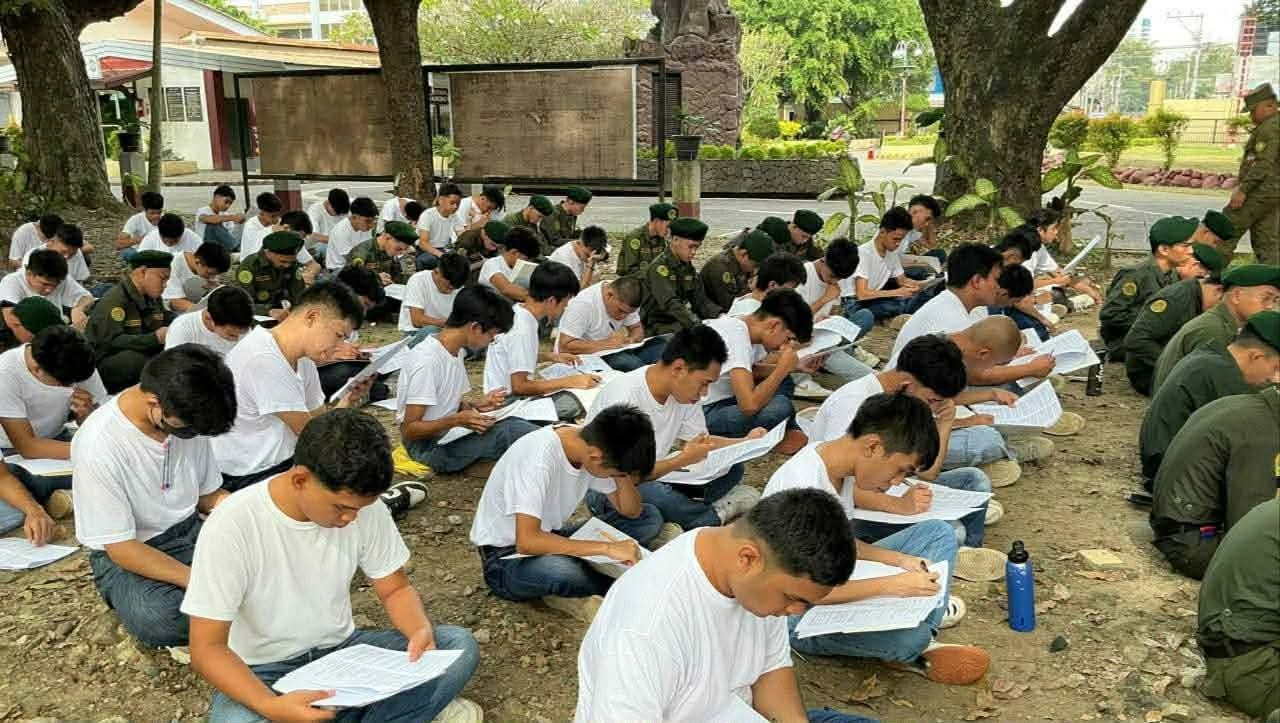
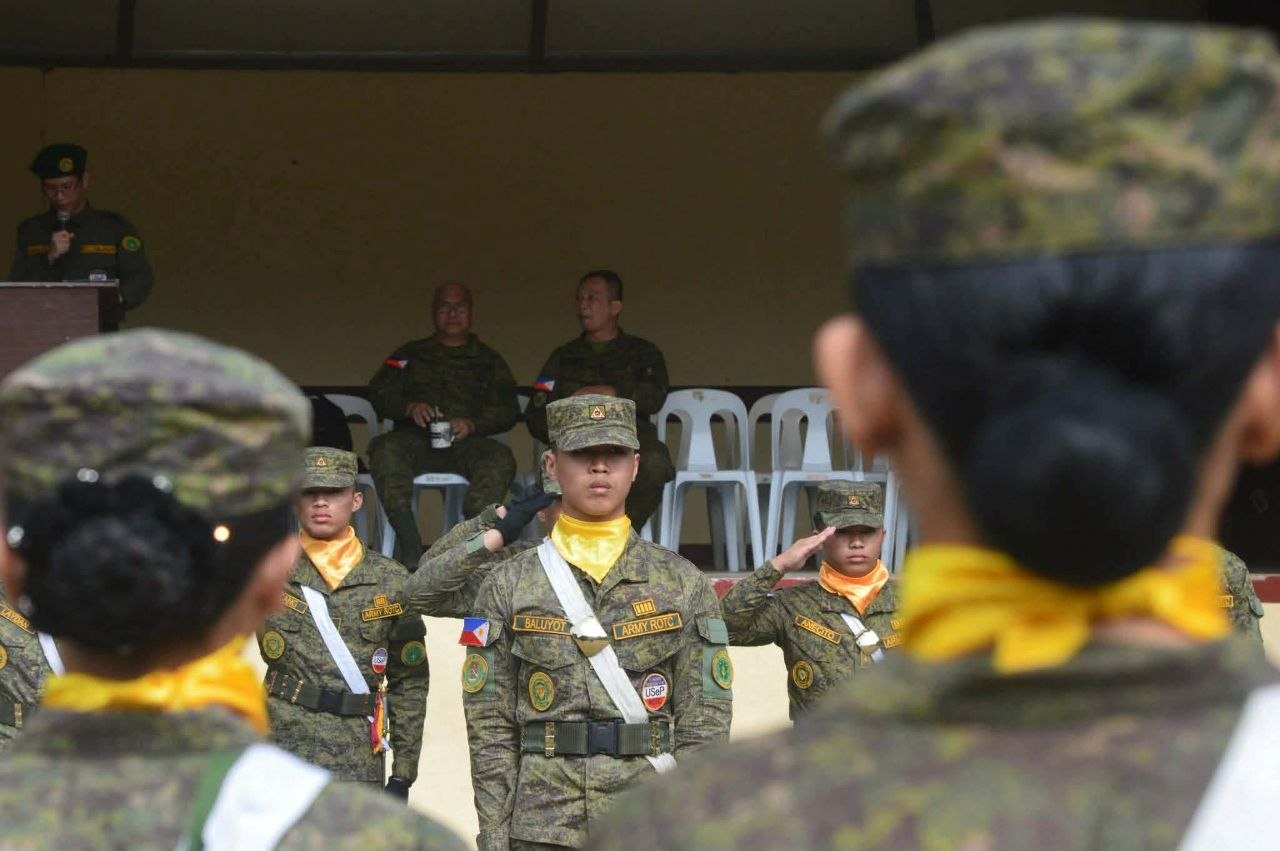
ROTC remains an important institution for national defense, leadership development, and public service. While participation is now voluntary under the NSTP framework, graduates who complete ROTC may become part of the AFP Reserve Force, contributing not only to territorial defense but also to disaster response, humanitarian assistance, and community resilience during national emergencies.
History and Legal Basis of Army Reservists
The Army Reserve Force is an integral component of the Armed Forces of the Philippines (AFP). It consists of trained citizens who are prepared to augment the Regular Force during war, national emergencies, disasters, and other situations requiring military support. The legal foundation of the Army Reserve traces its origins to the Commonwealth period and continues under modern Philippine laws.
Constitutional Basis
The 1987 Philippine Constitution provides the fundamental authority for the existence of the reserve force.
Article II, Section 4
“The prime duty of the Government is to serve and protect the people. The Government may call upon the people to defend the State and, in the fulfillment thereof, all citizens may be required, under conditions provided by law, to render personal, military or civil service.”
This constitutional provision empowers Congress to establish laws governing military and reserve service.
Historical Development
1. Commonwealth Act No. 1 (National Defense Act of 1935)
The legal foundation of the Philippine reserve force began with Commonwealth Act No. 1, otherwise known as the National Defense Act of 1935, signed by President Manuel L. Quezon on December 21, 1935.
The Act established:
- The Armed Forces of the Philippines
- A Regular Force
- A Reserve Force composed of trained Filipino citizens
Its objectives included:
- Building a citizen army capable of defending the country
- Providing compulsory military training
- Preparing reserve officers and enlisted personnel
- Mobilizing civilians during national emergencies
This law was heavily influenced by General Douglas MacArthur, who served as Military Adviser to the Commonwealth Government.
2. World War II (1941–1945)
When Japan invaded the Philippines in 1941, thousands of reservists were mobilized into the United States Army Forces in the Far East (USAFFE).
Army reservists:
- Defended Bataan and Corregidor
- Joined recognized guerrilla units after the fall of the Philippines
- Supported intelligence gathering and resistance operations
- Played a significant role in the liberation of the country
Their service demonstrated the importance of maintaining a trained reserve force during times of war.
3. Post-War Reorganization
After Philippine independence in 1946, the AFP underwent reorganization, retaining the reserve component to:
- Support internal security operations
- Provide manpower during national emergencies
- Expand military capability without maintaining a very large standing army
Reserve training continued through universities and military reserve units.
4. Presidential Decree No. 1706 (1980)
President Ferdinand E. Marcos issued Presidential Decree No. 1706, the National Service Law.
The law required citizens to render national service through one of three programs:
- Military Service
- Civil Welfare Service
- Law Enforcement Service
Military Service strengthened the reserve force by increasing the number of trained reservists.
5. Republic Act No. 7077 (1991)
The most significant modern law governing Army reservists is Republic Act No. 7077, the Citizen Armed Forces of the Philippines Reservist Act.
This law:
- Reorganized the Reserve Force.
- Defined the organization and administration of reservists.
- Established reserve units under each major AFP service, including the Philippine Army.
- Standardized reserve officer training.
- Created policies on mobilization and reserve management.
RA 7077 remains the principal law governing Philippine Army reservists.
6. Republic Act No. 9163 (NSTP Act of 2001)
The National Service Training Program (NSTP) Act of 2001 introduced ROTC as one of three NSTP components.
Students completing the ROTC component may qualify for incorporation into the AFP Reserve Force, subject to applicable regulations and graduation requirements.
Legal Basis Today
The Philippine Army Reserve Force is primarily governed by:
1. 1987 Philippine Constitution
Article II, Section 4
Provides the constitutional authority for requiring citizens to render military service.
2. Republic Act No. 7077
Citizen Armed Forces of the Philippines Reservist Act
This law establishes:
- Reserve organization
- Reserve officer appointments
- Classification of reservists
- Mobilization procedures
- Training requirements
- Reserve commands
- Rights and obligations of reservists
3. Republic Act No. 9163
National Service Training Program (NSTP) Act
Provides one pathway for developing future AFP reservists through the ROTC component.
Gallery
Snapshots from our community events and peace-building efforts.